

Saturday, 15 August 2026
Home Topics Climate China to include steel, cement and aluminium in its carbon market
ClimateEmissionsEmissions MarketsIndustryManufacturingNewsPolitics

China to include steel, cement and aluminium in its carbon market

241
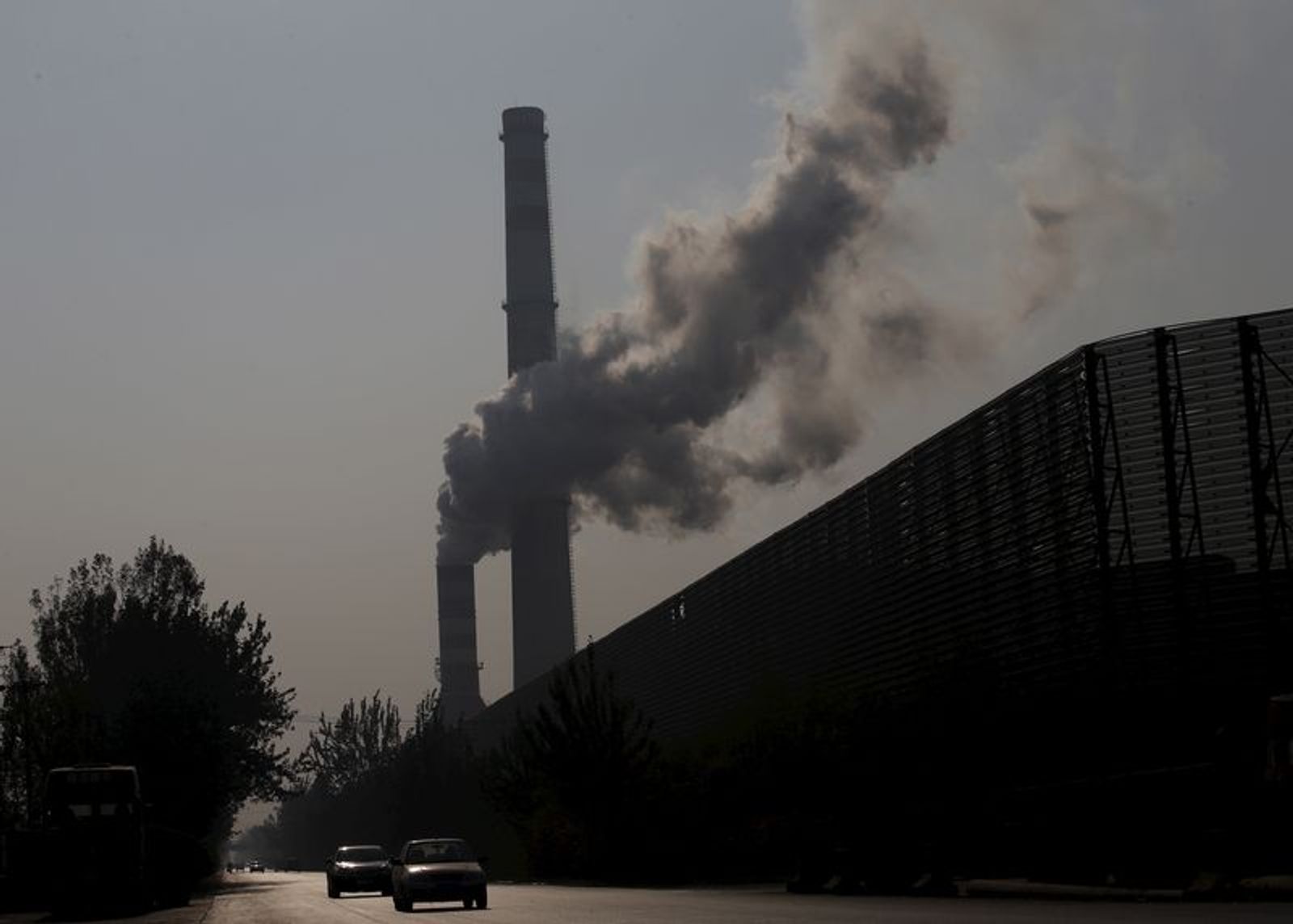
FILE PHOTO: A chimney of a steel factory emits smoke in Tangshan in China's Hebei Province November 3, 2015. Picture taken November 3, 2015.         REUTERS/Kim Kyung-Hoon/File Photo
A chimney of a steel factory emits smoke in Tangshan in China's Hebei Province November 3, 2015. China is proposing to include steelmaking and other emissions-heavy industries in its carbon market. REUTERS/Kim Kyung-Hoon/File Photo

BEIJING/SINGAPORE – China is seeking public feedback on a plan to include cement, steel and aluminium production in its carbon emissions trading scheme by the end of the year, the Ministry of Ecology and Environment said on Monday.

Including these three additional sectors could bring the greenhouse gas covered by the exchange to around 60% of the country’s total, the ministry said, more than the emissions of the U.S. The plan will be open for public scrutiny until Sept. 19.

China will expand the ETS over two stages, familiarizing participants with its processes between 2024 and 2026 and improving management and the quality of emissions data, while reducing quota allocations to businesses, from 2027.

Carbon allowance quotas, which permit companies to emit a certain volume of carbon dioxide, will initially be allocated to enterprises free of charge. In the first stage, there will be no upper limit on allowances, and firms that emit more will be granted a larger quota.

Looming European tariffs

Beijing established the China Carbon Emission Trading Exchange in July 2021 as part of a drive to bring carbon emissions to a peak before 2030 and to become carbon neutral by 2060. But the market has only covered the power sector since its inception.

Looming carbon tariffs from the European Union have put pressure on China to accelerate its decarbonisation of heavy industrial sectors.

The EU tariffs were introduced to tackle the problem of “carbon leakage”, which allows businesses to avoid carbon costs by sourcing products from countries with weaker climate compliance.

Starting from 2026, importers of steel, fertiliser, cement and chemicals will pay levies based on the carbon footprint of the products they buy.

Related Articles

Lilium burnt through huge sums while trying to develop its jet (AFP)

German flying taxi start-up’s rescue deal collapses

A German flying taxi start-up said on Friday it would halt operations...

FILE PHOTO: U.S. Secretary of the Interior Doug Burgum speaks as he attends a signing ceremony with members of the West Virginia Congressional Delegation at the EPA headquarters in Washington, D.C., U.S., February 18, 2025. REUTERS/Kent Nishimura/File Photo

US energy council chief says power plants to produce 15% more electricity

By Valerie Volcovici WASHINGTON (Reuters) – U.S. Interior Secretary and co-chair of...

Cuba has inaugurated a new solar energy park in the capital Havana (AFP)

Cuba opens solar park hoping to stave off blackouts

Cuba on Friday unveiled a new solar energy park in the capital...

FILE PHOTO: Cranes unload imported iron ore from a cargo vessel at a port in Lianyungang, Jiangsu province, China October 27, 2019. REUTERS/Stringer/File Photo

Iron ore heads for weekly gain on brightening demand outlook, China stimulus hopes

By Amy Lv and Lewis Jackson BEIJING (Reuters) -Iron ore futures prices...

Login into your Account

Please login to like, dislike or bookmark this article.